Navigating Uncertainty: The Gulf's Quest for Stability Post-Hormuz
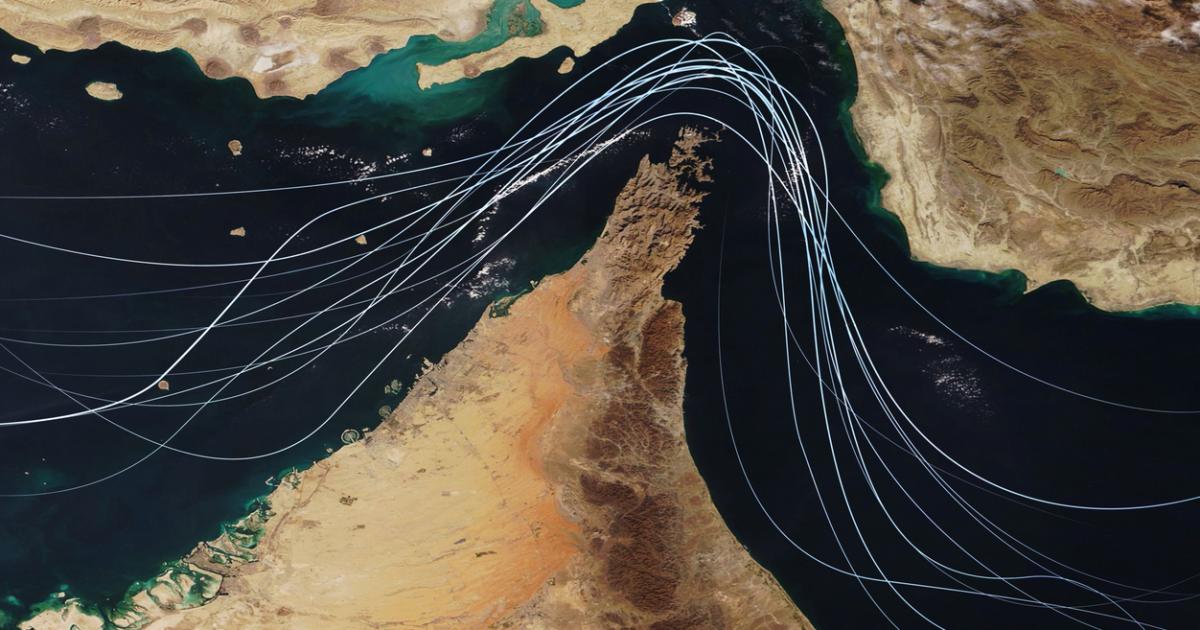
The geopolitical landscape of the Gulf region is undergoing significant transformation as the fallout from the ongoing tensions with Iran enters a crucial phase. With the conflict now extending into its third month, leaders across the region are confronted with an evolving security environment that demands new strategies and alliances.
The implications of the Iranian situation are far-reaching, prompting nations to reevaluate their defense postures and diplomatic ties. While Iran's military capabilities have faced considerable challenges, the nation's influence in the region remains a pivotal concern for its neighbors. As a result, countries are actively exploring partnerships that can provide a buffer against potential threats, leading to a reconfiguration of traditional alliances.
Moreover, the quest for a stable order in the Gulf is not solely about military readiness. Economic considerations, particularly oil markets and trade routes, are also at the forefront of discussions among Gulf states. The need for a cohesive approach to enhance regional security, while simultaneously securing economic interests, has never been more pressing.
As the Gulf countries navigate this complex landscape, the search for a new equilibrium may redefine power dynamics and foster a more collaborative regional framework. In an era where uncertainty looms large, the ability to adapt and innovate could very well determine the future stability of the region.
⚠️ AI Content Disclaimer
All article summaries on this site are generated by AI and may contain inaccuracies, omissions, or errors. Images are AI-generated and may not represent actual events or people. DesiSearch is not responsible for any errors in AI-generated content.