Beyond Oil: The Strait Of Hormuz And The Global Food Risk
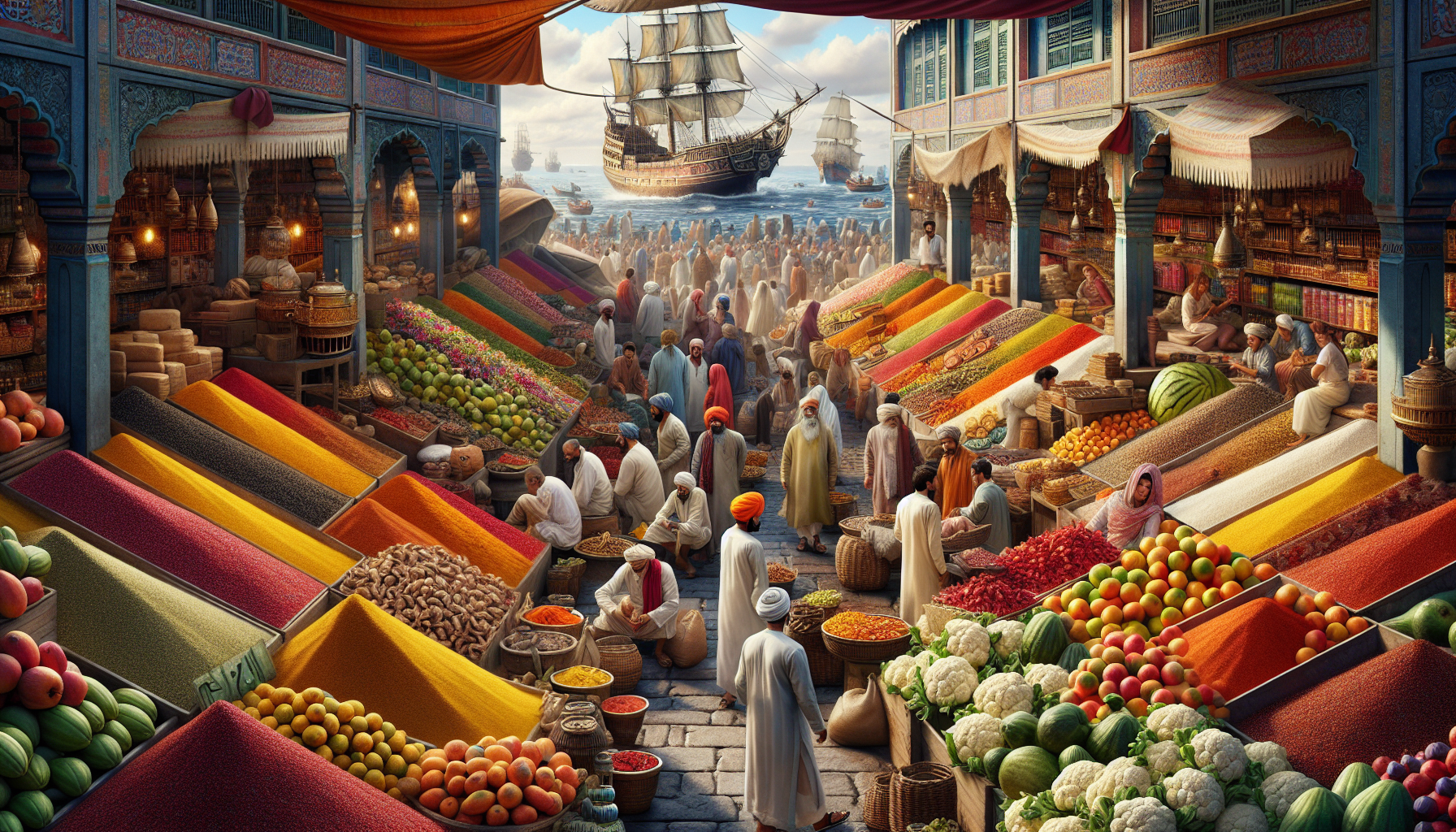 ✨ AI Generated
Ah, the Strait of Hormuz! This narrow waterway is not just a fancy name on a map—it's the lifeline of global energy and, believe it or not, our food supply too! Picture this: around 20% of the world’s oil flows through this strait, and with tensions simmering in the Middle East, it’s not just your petrol prices that are at stake. Let’s spill the chai on how this all connects to our daily bread!
Now, before you roll your eyes and think this is just another oil crisis, hold on! The Strait of Hormuz is also a crucial artery for liquefied natural gas (LNG) and, more importantly, agricultural products. As a nation of food lovers, from biryani to vada pav, we need to pay attention. The geopolitical issues affecting this region can ripple across the global food supply chain, impacting everything from wheat prices to the cost of your beloved masalas.
Think of it this way: if shipping routes get clogged or disrupted due to conflict, it could lead to shortages and increased prices for essential food items. The last thing we want is to see the price of dal soar because of some drama in a far-off land! So, while we might not be able to influence the politics of the strait, we can certainly be aware of how these international waters affect our grocery bills and meal plans.
In the end, the Strait of Hormuz isn’t just about oil—it's a reminder of how interconnected our world is. So next time you enjoy a plate of your favorite curry, take a moment to appreciate the intricate web of global trade that brings those ingredients to your kitchen. Who knew a waterway could be so impactful on our plate?
⚠️ AI Content Disclaimer
All article summaries on this site are generated by AI and may contain inaccuracies, omissions, or errors. Images are AI-generated and may not represent actual events or people. DesiSearch is not responsible for any errors in AI-generated content.