Supreme Court Criticizes High Court's Decision on MLA Voting Rights
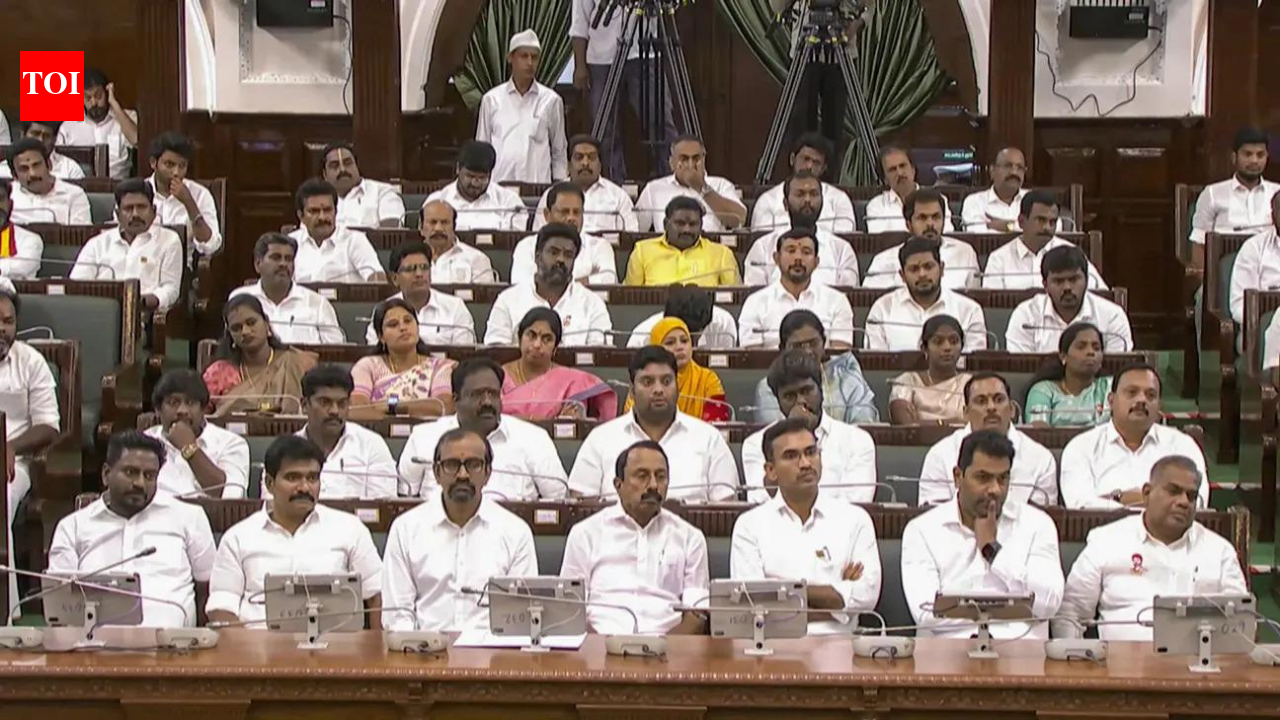
The recent ruling by a high court regarding the voting rights of a Member of Legislative Assembly (MLA) has stirred controversy, drawing sharp criticism from the Supreme Court. The apex judiciary body described the lower court's decision as deeply troubling and unacceptable, highlighting the importance of maintaining democratic principles within legislative frameworks.
This situation has sparked a wider conversation about the integrity of electoral processes and the role of the judiciary in safeguarding the rights of elected representatives. The Supreme Court’s strong reaction underscores the necessity for a thorough examination of how such decisions can impact the fundamental rights of elected officials, as well as the trust of the public in their governance.
Legal experts and political analysts are now calling for a reevaluation of the criteria that govern voting rights for lawmakers, emphasizing that decisions affecting their participation in legislative processes must be grounded in fairness and transparency. This incident serves as a reminder of the ongoing challenges that arise in the intersection of law, politics, and public ethics.
As various stakeholders continue to weigh in on this issue, one thing is clear: the protection of democratic values is paramount, and the judiciary plays a critical role in upholding these principles. The implications of this ruling may extend beyond the immediate case, potentially influencing future legislative practices across the country.
⚠️ AI Content Disclaimer
All article summaries on this site are generated by AI and may contain inaccuracies, omissions, or errors. Images are AI-generated and may not represent actual events or people. DesiSearch is not responsible for any errors in AI-generated content.