Nepal’s Strategic Shift: A New Era in U.S.-Nepal Relations
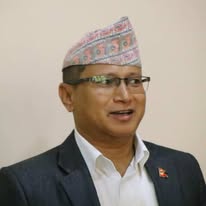
In recent developments, Nepal is redefining its role on the international stage, particularly in its relationship with the United States. With the emergence of a new government headed by Balendra Shah of the Rastriya Swatantra Party, the country is no longer seen merely as a geographical buffer between larger powers but as a crucial diplomatic partner.
This shift comes at a time when global dynamics are rapidly changing, and nations are seeking stronger ties to enhance their influence. The U.S. has recognized Nepal's potential as a strategic ally in the region, especially considering its location between India and China. This new perspective encourages deeper collaboration across various sectors including trade, security, and cultural exchanges.
As part of this evolving relationship, discussions are underway to explore avenues for mutual benefit that go beyond traditional diplomatic engagement. The focus is now on building sustainable partnerships that can foster economic growth and enhance regional stability. This transition signals not only a change in Nepal’s foreign policy but also highlights its aspirations to play a more significant role in regional affairs.
Ultimately, Nepal's strategic pivot towards the U.S. invites a broader conversation about the future of international relations in South Asia. As the small nation positions itself as a vital link in the geopolitical landscape, it raises important questions about how smaller countries can navigate the complexities of global power dynamics while asserting their own identity and interests.
⚠️ AI Content Disclaimer
All article summaries on this site are generated by AI and may contain inaccuracies, omissions, or errors. Images are AI-generated and may not represent actual events or people. DesiSearch is not responsible for any errors in AI-generated content.