The Chilling Anomaly of 1816: A Summer That Never Was
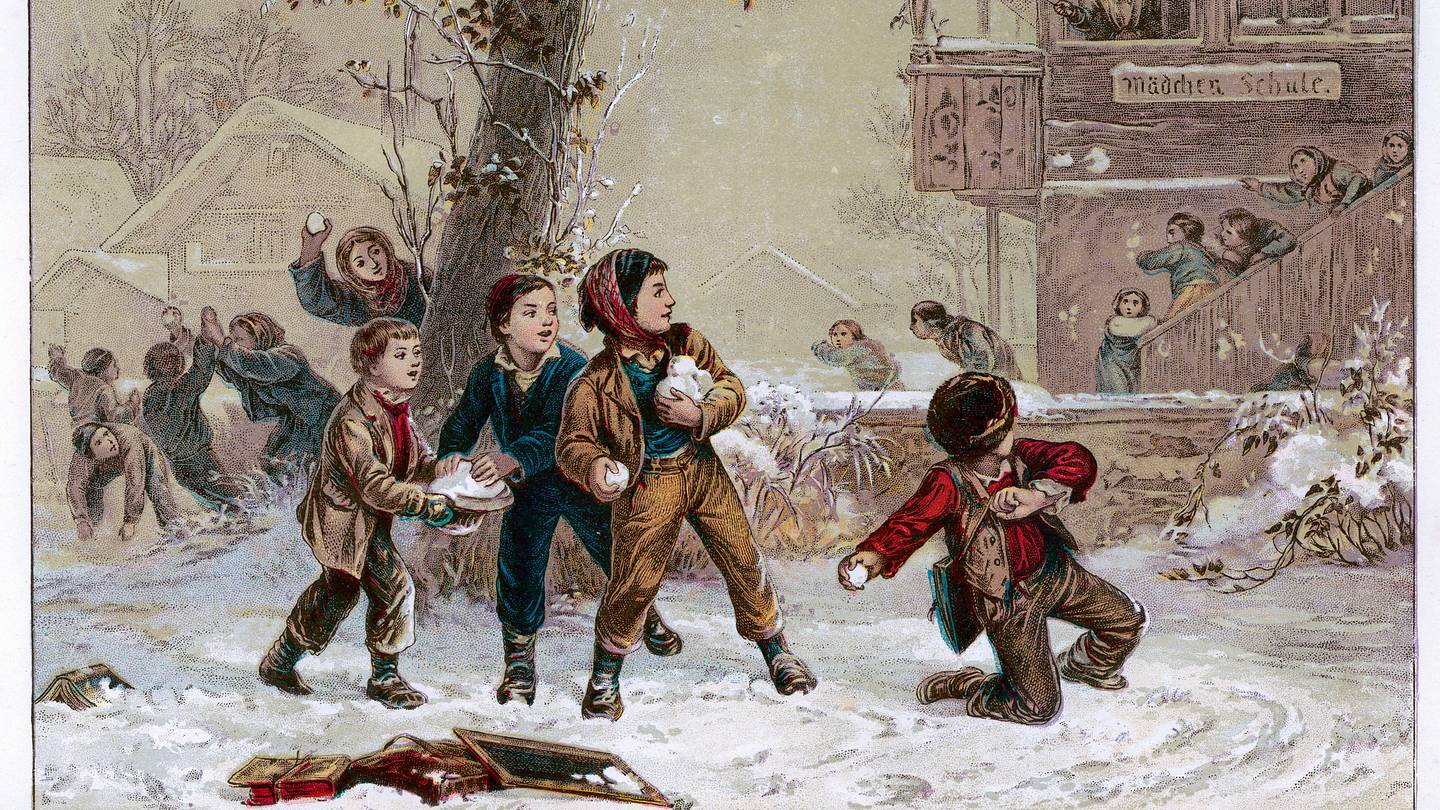
The year 1816 has gone down in history as a peculiar phenomenon, often referred to as the 'Year Without a Summer.' Imagine waking up in June, only to find a landscape cloaked in frost and an uncharacteristic chill in the air. This bizarre climatic event surprised many and left an indelible mark on the agricultural output and social fabric of the time.
Various factors contributed to this unusual weather pattern, notably the eruption of Mount Tambora in Indonesia in April 1815. This catastrophic event spewed vast amounts of ash and sulfur dioxide into the atmosphere, creating a veil that blocked sunlight and led to a drop in temperatures across the globe. As a result, crops failed, and food shortages became rampant, particularly in parts of Europe and North America.
The repercussions of this summerless year were profound. The harsh weather forced communities to adapt rapidly, with many farmers experiencing devastating losses. The struggle for survival pushed some to migrate, seeking better opportunities in more temperate regions. Notably, the unusual conditions also spurred creativity, inspiring literary works like Mary Shelley's 'Frankenstein,' as artists and writers grappled with the strange and unsettling atmosphere.
The 'Year Without a Summer' serves as a striking reminder of the delicate balance of our climate and how interconnected our world truly is. As we face similar challenges today, this historical episode prompts us to reflect on our relationship with nature and the importance of understanding the long-term impacts of environmental changes.
⚠️ AI Content Disclaimer
All article summaries on this site are generated by AI and may contain inaccuracies, omissions, or errors. Images are AI-generated and may not represent actual events or people. DesiSearch is not responsible for any errors in AI-generated content.